
 Mikki
Mikki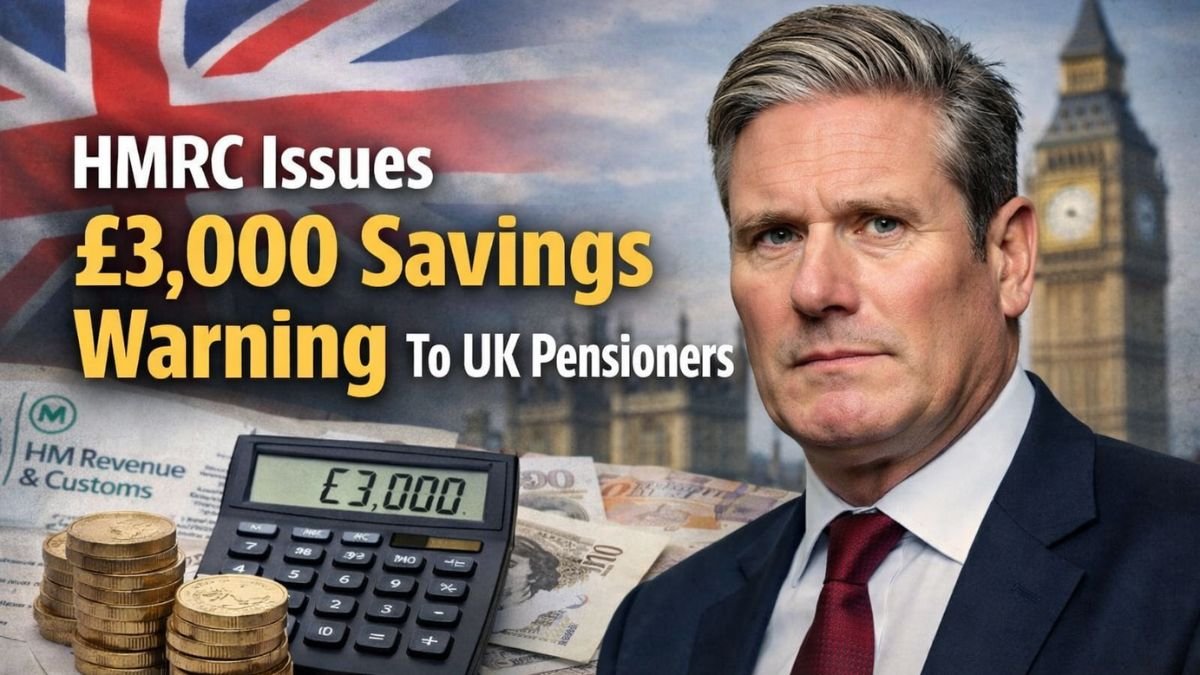
UK pensioners have been alerted by HM Revenue and Customs (HMRC) about a savings-related tax warning that could affect those holding £3,000 or more in savings or earning interest on cash deposits and accounts in 2025-26.
With interest rates higher than in previous years and personal tax allowances unchanged, many retirees may find themselves unexpectedly liable for tax on savings interest or other HMRC notifications in the coming tax year.

Here is a detailed, up-to-date breakdown for 2026, including eligibility details, tax implications, important dates, and what pensioners need to do to stay compliant.
Why HMRC Is Warning Pensioners About Savings
HMRC has been issuing warnings to savers — including pensioners — reminding them that interest earned on savings above their tax-free allowance may be taxable and that individuals need to understand how this could impact their finances.
This warning has become increasingly relevant as bank and building society interest rates have risen, pushing more savers above their tax-free thresholds.

The core focus is on how savings interest is treated for tax purposes and the potential for HMRC to issue letters, adjust tax codes, or require self-assessment returns if tax is owed.
Key Reasons for the Warning
- Personal Savings Allowances (PSA) are frozen, meaning thresholds have not increased despite rising interest rates.
- Pensioners often rely on savings to supplement retirement income and may unintentionally exceed their tax-free limits.
- HMRC uses bank-reported data to identify those who have earned taxable interest, prompting notices.
Important 2026 Tax Dates Pensioners Should Know
| Date | Event | Impact |
|---|---|---|
| 6 April 2025 – 5 April 2026 | 2025/26 UK tax year | Savings interest earned in this period is assessed for tax liabilities. |
| 5 April 2026 | End of 2025/26 tax year | Deadline by which total savings interest is calculated for HMRC records. |
| Before 31 January 2027 | Self-Assessment deadline | If required to file, pensioners report interest and pay any tax owed. |
| April 2026 onwards | Tax code adjustments | HMRC may change yearly tax codes to collect owed tax automatically if necessary. |
What Counts as Taxable Savings and Who Is Affected
Many pensioners assume that all savings interest is tax-free, but this is only true up to a certain point. The Personal Savings Allowance allows:
- Basic-rate taxpayers to earn up to £1,000 in savings interest tax-free per year.
- Higher-rate taxpayers to earn up to £500 interest tax-free.
- Additional-rate taxpayers get no tax-free savings allowance.
That means even modest savings can generate taxable interest if the total earnings from all accounts are significant. Pensioners with total savings of £3,000 or more across multiple accounts may easily see their interest exceed the tax-free threshold, triggering HMRC notices.
What HMRC Notices Mean and What You Must Do

HMRC may send pensioners a tax warning letter or Simple Assessment when interest reported by banks pushes total income above their tax-free limits. This is not a penalty but a notification that tax may be owed.
Typical Actions Pensioners May Need to Take
- Check your Personal Tax Account with HMRC to see reported savings interest figures.
- Compare total interest received against your Personal Savings Allowance.
- Update HMRC or file a Self-Assessment tax return if required.
- Pay any owed tax either via tax code adjustments or direct payment.
HMRC may also adjust your tax code so that tax is collected automatically through PAYE if you are receiving a pension or other income that goes through the system.
Practical Example: How £3,000 Savings Could Trigger Tax
If a pensioner holds several accounts totalling £3,000 and earns an average interest rate of 3% during the year, the interest generated would be £90.
With other income — such as a state pension — this total can easily push taxable income over the tax-free threshold, meaning some or all of that interest becomes taxable.
How to Avoid Unexpected Tax Bills
Pensioners can take steps to stay on the right side of HMRC rules:
- Move savings into tax-free accounts such as Cash ISAs up to the annual ISA limit.
- Monitor total interest from all accounts during the tax year.
- Check your HMRC Personal Tax Account regularly for reported figures.
- Consider holding savings jointly so interest is split and allowances maximised.
HMRC’s £3,000 savings warning to UK pensioners highlights an increasingly important issue in 2026: rising savings interest and static tax allowances could result in unexpected tax liabilities for retirees.
This warning is designed to encourage pensioners to review their savings, understand their tax position, and take action if needed to remain compliant.
With proper planning through tax-free accounts and monitoring of interest earnings, pensioners can protect their retirement income and avoid surprise tax bills.
FAQs
Do all pensioners with £3,000 savings owe tax?
Not always. Tax is only owed if interest earned above the Personal Savings Allowance combined with other income pushes total taxable income beyond your allowances.
Will HMRC automatically tax my savings interest?
HMRC may adjust your tax code to collect tax automatically or send a Simple Assessment notice if you are required to file. Always check your tax account to confirm.
Do ISAs count toward this £3,000 savings warning?
No. Interest earned within an ISA remains tax-free and does not count toward taxable savings interest figures.