
 Mikki
Mikki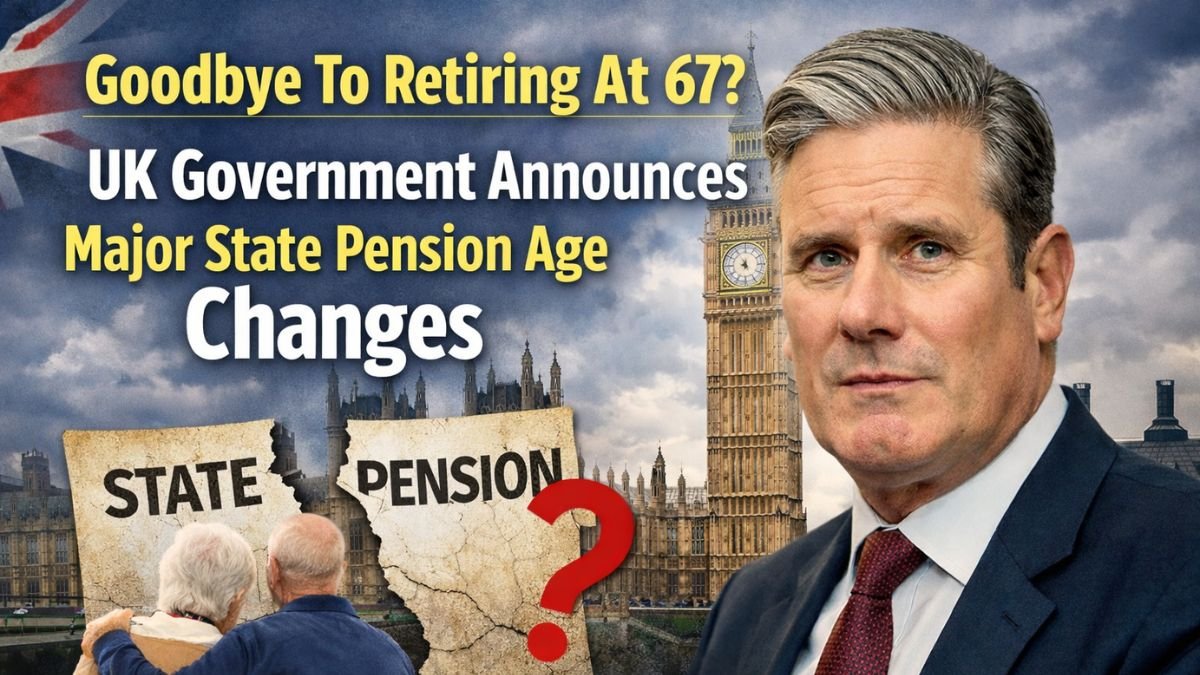
The UK Government has confirmed major updates to the State Pension Age (SPA), affecting millions of workers planning their retirement. For many, retiring at 67 may not be the final benchmark, as further increases are already scheduled under existing legislation.
With rising life expectancy and pressure on public finances, the State Pension system is undergoing gradual reforms that will reshape retirement planning across the UK.
In this detailed guide, we break down the new retirement age rules, eligibility criteria, payment dates, updated pension rates for 2026, and what the changes mean for you.
UK State Pension Age Timeline – What’s Changing?
The State Pension Age has already increased in recent years, and further rises are confirmed.
Current & Future State Pension Age Schedule
| State Pension Age | Who It Applies To | Effective Period |
|---|---|---|
| 66 years | Men and women currently reaching retirement | Already in effect |
| 67 years | Born on or after 6 April 1960 | Between 2026 and 2028 |
| 68 years | Future retirees | Scheduled between 2044 and 2046 (under review) |
Key Points:
- The increase from 66 to 67 will be fully implemented by March 2028.
- Those born after 6 April 1960 will reach State Pension Age at 67.
- The planned rise to 68 may be reviewed and potentially brought forward depending on economic conditions.
This means many workers currently in their early 50s and younger could retire later than expected.
Eligibility Criteria for the UK State Pension
To qualify for the State Pension in 2026, you must meet the following requirements:
National Insurance Contributions
- 35 qualifying years of National Insurance (NI) contributions are required for the full new State Pension.
- At least 10 qualifying years are needed to receive any payment.
Qualifying years can include:
- Employment contributions
- Self-employed contributions
- National Insurance credits (e.g., for carers or parents)
Reaching State Pension Age
You must have reached your designated State Pension Age before claiming.
How Much Is the State Pension in 2026?
The State Pension increases each April under the Triple Lock system, which guarantees an annual rise based on the highest of:
- Inflation
- Average wage growth
- 2.5%
2026–27 Weekly Pension Rates
| Pension Type | Weekly Payment (2026–27) | Annual Amount |
|---|---|---|
| Full New State Pension | £241.30 | £12,547.60 |
| Basic State Pension | £184.90 | £9,614.80 |
The increase reflects approximately a 4.8% rise compared to previous rates, providing pensioners with several hundred pounds extra per year.
State Pension Payment Dates
State Pension payments are typically made every four weeks directly into your bank account.
Your payment day depends on the last two digits of your National Insurance number:
| Last 2 Digits of NI Number | Payment Day |
|---|---|
| 00–19 | Monday |
| 20–39 | Tuesday |
| 40–59 | Wednesday |
| 60–79 | Thursday |
| 80–99 | Friday |
If a payment date falls on a bank holiday, funds are usually paid earlier.
Minimum Pension Age for Private Pensions Also Rising
In addition to State Pension Age changes, the Normal Minimum Pension Age (NMPA) — the earliest age you can access private or workplace pensions — will increase:
- Currently: 55 years old
- From April 2028: Rising to 57 years old
This does not affect State Pension payments but may impact retirement planning for those relying on private pensions.
Why Is the State Pension Age Increasing?
The government cites several reasons:
- Increased life expectancy
- Growing number of pensioners
- Financial sustainability of the pension system
- Pressure on public spending
With more people living longer, the system requires gradual adjustments to remain affordable.
What This Means for Future Retirees
If you are under 55, it is highly likely that your State Pension Age will be 67 or possibly higher. Retirement planning should now account for:
- Later pension access
- Additional private savings
- Workplace pension contributions
- Delayed retirement timelines
Checking your personalised State Pension forecast online can provide a clearer picture of your expected retirement age and income.
The message is clear: Retiring at 67 may not be the final benchmark for future generations. With confirmed increases and further reviews underway, the UK State Pension Age is evolving.
Understanding eligibility rules, contribution requirements, and payment timelines is essential for secure retirement planning in 2026 and beyond.
If you’re approaching retirement, now is the time to review your pension forecast and financial plans to stay ahead of these changes.
FAQs
Will everyone have to retire at 67?
No. The State Pension Age is currently 66, but it is gradually increasing to 67 by 2028. Future increases to 68 are scheduled but under review.
How many years of National Insurance do I need?
You need 35 qualifying years for the full new State Pension and at least 10 years to receive any payment.
When will I receive my State Pension payment?
Payments are made every four weeks, with the specific weekday determined by your National Insurance number.